
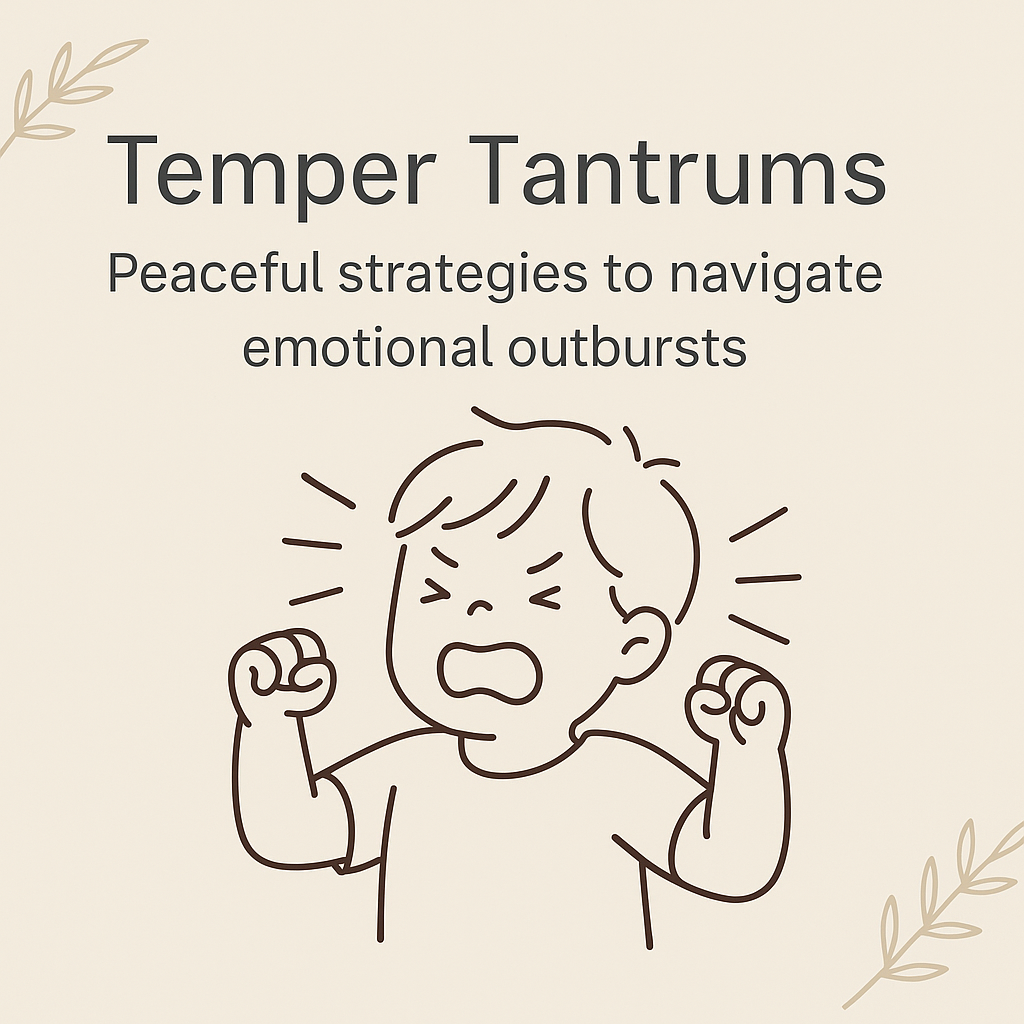
Every parent has experienced the moment when a child becomes overwhelmed by big feelings. The crying gets louder, the body stiffens or collapses, and suddenly you’re in the middle of a full-blown temper tantrum. While tantrums are developmentally normal, they can feel stressful, confusing, and draining—for both children and adults. Understanding why tantrums happen and how to respond peacefully can transform these challenging moments into opportunities for connection and emotional growth.
Why Temper Tantrums Happen
Tantrums aren’t a sign of “bad behavior” or a child trying to manipulate you. They are a natural reaction that occurs when a child’s nervous system becomes overloaded. Young children have underdeveloped emotional regulation skills, which means their brains simply cannot manage frustration, disappointment, or transitions the way adults can.
Common triggers include:
-
Feeling overwhelmed or overstimulated
-
Difficulty communicating needs
-
Fatigue, hunger, or sudden changes
-
Perceived unfairness or limits
-
Strong emotions they can’t express with words
Understanding these triggers helps parents respond with empathy rather than frustration. When a tantrum unfolds, your child isn’t giving you a hard time—they’re having a hard time.
The Importance of Staying Calm
Children look to the adults around them to feel safe. During a tantrum, your calm presence communicates, “You’re not alone. I can handle this. You’re safe with me.” This doesn’t mean you need to be perfect—it means modeling emotional regulation in moments your child struggles to find it.
Here are ways to maintain calm:
-
Take a deep breath before responding
-
Speak softly, even if your child is yelling
-
Lower your body to their level
-
Keep your facial expression neutral and open
Your steady presence helps your child’s nervous system settle, allowing the tantrum to pass more quickly and peacefully.
Step-by-Step Strategies for Navigating Tantrums
1. Acknowledge the Emotion
Children want to feel seen and understood. Naming the emotion helps them build emotional vocabulary and reduces their internal distress.
Examples:
-
“You’re really upset that we have to leave the park.”
-
“You’re frustrated because the toy isn’t working the way you want.”
-
“It’s okay to feel sad. I’m here with you.”
Acknowledgment doesn’t mean giving in; it means validating their emotional experience.
2. Offer Physical and Emotional Safety
If your child is in danger of hurting themselves or others, gently move them to a safe space or guide their body away from harm.
You might offer:
-
A calm corner or a quiet room
-
A hug or hand to hold (if they want it)
-
Soft reassurance: “You’re safe. I’m here.”
Remember that safety doesn’t mean isolating them—it means staying close and present while their big feelings unfold.
3. Stay Close, Even If They Push You Away
Some children seek comfort during tantrums, while others want space. Either is normal. If they don’t want physical touch, stay nearby and stay emotionally available.
You can say:
-
“I’ll be right here when you’re ready.”
-
“I won’t leave you alone with these big feelings.”
Your presence helps their brain move from chaos back to connection.
4. Avoid Trying to Reason During the Tantrum
The logical part of a child’s brain shuts down during intense emotional upset. Explaining, negotiating, or disciplining mid-tantrum usually escalates the situation.
Instead:
-
Keep words minimal
-
Focus on calm support
-
Wait for the emotional wave to pass
Once your child is calmer, that’s the moment to teach, guide, and problem-solve together.
5. Reflect and Reconnect Afterwards
After your child has calmed down, gently talk through what happened.
You might say:
-
“You were so angry when the game ended. That was really hard.”
-
“Next time you feel frustrated, maybe we can try taking a breath together.”
-
“Thank you for calming your body. I’m proud of you.”
This teaches skills, not shame, and helps build resilience over time.
Peaceful Tools to Prevent Tantrums Before They Start
While tantrums will always be part of childhood, certain strategies can help reduce their frequency and intensity.
1. Create Predictable Routines
Children feel safer when they know what to expect. Clear daily structure reduces anxiety and helps them transition between activities more smoothly.
2. Build Emotional Vocabulary Daily
Reading books about feelings, using emotion cards, or checking in with “How is your heart today?” helps children express themselves before they reach a tipping point.
3. Offer Choices When Possible
Choices give children a sense of control and prevent power struggles.
For example:
-
“Would you like the blue cup or the green cup?”
-
“Do you want to walk or skip to the bathroom?”
4. Watch for Early Signs of Overload
Tantrums often build slowly. Signs include whining, clenched fists, tense body language, or sudden defiance. Intervening early with connection—like a hug, quiet time, or snack—can prevent escalation.
5. Practice Calm-Down Strategies Together
Teach these skills during calm moments, not in the middle of distress:
-
Deep breathing
-
Counting to five
-
Using a calm-down jar
-
Snuggling with a favorite toy
-
Listening to soft music
These tools become more effective the more they are practiced.
A Mindset Shift for Parents
One of the most powerful ways to navigate tantrums is to shift how we interpret them. Instead of seeing a tantrum as defiance or disrespect, try viewing it as a distress signal. Your child isn’t trying to upset you—they are overwhelmed, flooded with emotion, and in need of support.
This shift allows you to respond with empathy, which strengthens your relationship and teaches lifelong emotional skills.
When to Seek Additional Support
While tantrums are a normal part of development, you may want extra guidance if:
-
Tantrums happen extremely frequently
-
They last a long time and are hard to recover from
-
Your child becomes unsafe during emotional outbursts
-
You feel stuck or unsure how to respond
-
The tantrums impact siblings or daily routines
Working with a parenting coach can provide you with personalized strategies, deeper understanding, and tools to support your child’s emotional development.
Building a More Peaceful Home—One Moment at a Time
Tantrums are challenging, but they also offer valuable moments to nurture connection, trust, and emotional growth. By responding with calm, empathy, and consistency, you give your child the tools they need to understand their feelings and manage them in healthy ways.
Each peaceful response—even the small ones—helps build a home where your child feels safe, loved, and understood. And over time, those little moments create the foundation for a stronger, more connected family.
