
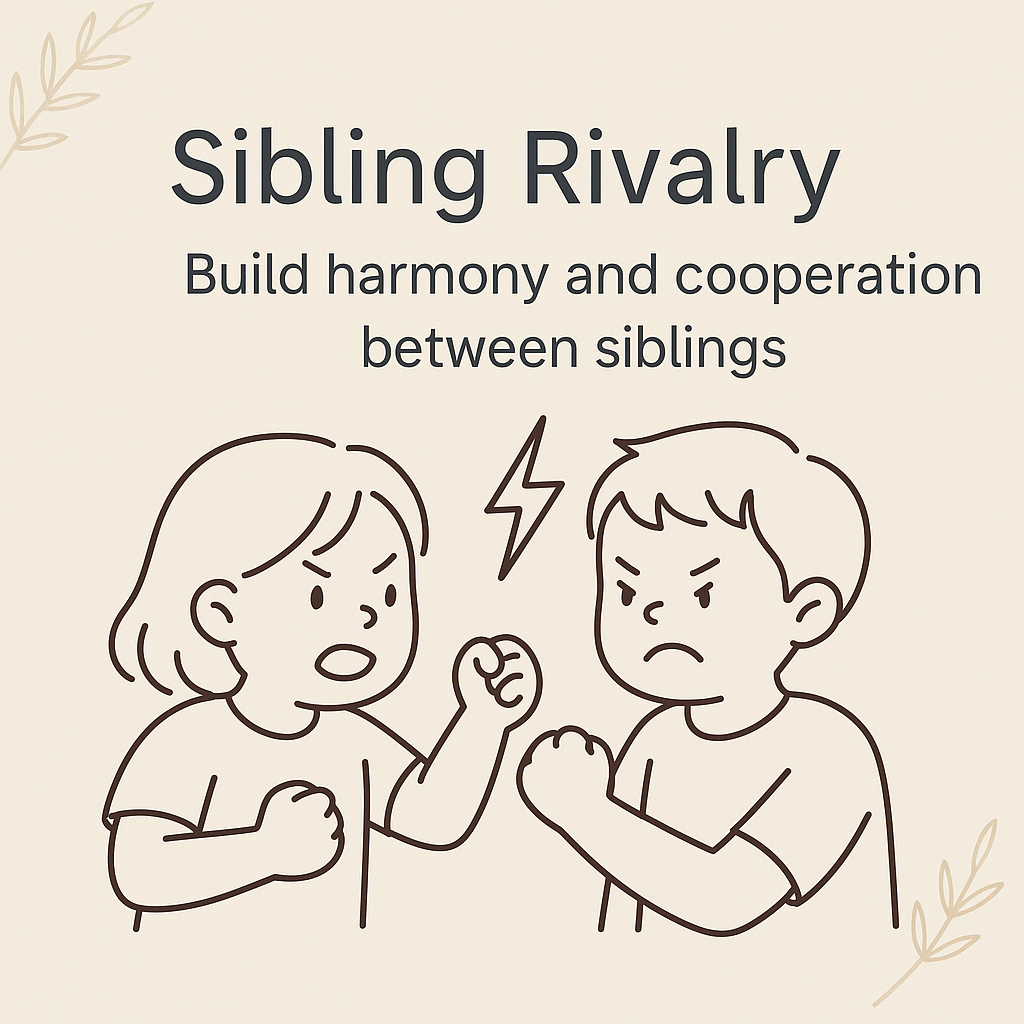
Sibling rivalry is one of the most common challenges families face. From arguing over toys to competing for attention, siblings often experience moments of conflict that can leave parents feeling exhausted and unsure how to help. Yet sibling rivalry is a normal and healthy part of childhood. Through disagreements, children learn negotiation, emotional regulation, problem-solving, and how to navigate relationships. With guidance and supportive strategies, parents can transform sibling conflict into opportunities for growth, cooperation, and deeper connection.
Why Sibling Rivalry Happens
Rivalry is rarely about the surface issue—whether it’s a toy, a seat in the car, or who gets to push the elevator button. Beneath the conflict, children are often expressing unmet needs or emotions they can’t fully articulate. Common underlying causes include:
1. Competition for attention
Children naturally seek their parents’ time and approval. If one sibling feels overlooked, even unintentionally, rivalry may increase.
2. Differences in temperament
A sensitive child and a strong-willed child may clash simply because they approach the world differently.
3. Developmental stages
Younger children may struggle with sharing, while older children may feel frustrated by a younger sibling’s behavior.
4. Emotional overload
Fatigue, hunger, overstimulation, or big feelings can make children more reactive toward each other.
Recognizing these root causes helps parents respond with empathy rather than frustration.
The Power of a Calm Parent
A parent’s response has tremendous influence on the emotional climate between siblings. When parents stay calm and neutral during conflicts, children feel safer and more supported. Instead of jumping in to fix or assign blame—which often increases resentment—try observing first.
You might say:
-
“I see two upset kids who both want the same toy.”
-
“You’re both having a hard time right now—let’s slow down.”
Your presence signals that you’re there to guide, not to punish or take sides.
Peaceful Strategies to Reduce Sibling Rivalry
1. Acknowledge Each Child’s Feelings
By naming feelings, you help children understand their own emotions and feel validated.
Examples:
-
“You’re angry because your brother grabbed the toy.”
-
“You’re sad because you wanted to play alone.”
This approach defuses the emotional charge and teaches empathy.
2. Focus on the Problem, Not the Blame
Avoid language that labels one child as “the problem.” Instead, treat the situation as something the family can work through together.
For example, instead of:
“Who started it?”
Try:
“It sounds like we need a plan so both of you feel included.”
This shift reduces defensiveness and encourages teamwork.
3. Teach Turn-Taking and Sharing with Clear, Simple Tools
Young children thrive with predictable systems. You can support cooperation by using:
-
Timers for turn-taking
-
“Trade time,” where each child gets a short time with a toy before trading
-
Rotating responsibilities, such as who chooses the family movie or who helps with dinner
Predictable routines reduce power struggles and help children feel treated fairly.
4. Give Each Child Individual Attention
Set aside a few minutes daily for one-on-one time with each child. It doesn’t need to be elaborate—reading a book, drawing together, or a short walk works well. This fills their emotional cup and reduces the instinct to compete.
Even saying, “I love spending this moment with just you” goes a long way.
5. Avoid Comparisons
Statements like “Your sister is so calm—why can’t you be like her?” can unintentionally create resentment or low self-esteem. Instead, focus on each child’s individual strengths.
Try:
-
“I love how focused you are on building.”
-
“You’re great at thinking creatively.”
Celebrating unique qualities fosters confidence, not competition.
6. Encourage Problem-Solving
As children grow, they can learn to resolve many conflicts on their own. Guide them with prompts:
-
“What do you think would help both of you?”
-
“Is there a way you can take turns?”
-
“How can we make this fair?”
Teaching these skills empowers children to communicate respectfully and think collaboratively.
7. Praise Cooperative Moments
Notice and highlight positive interactions—even small ones.
-
“I saw you share your crayons—that was kind.”
-
“You two worked together to clean up. Great teamwork!”
Reinforcing what you want to see more of promotes continued cooperation.
When Conflicts Rise—Stay Connected
Despite best efforts, disagreements will still happen. That’s normal. What matters most is how children recover and reconnect afterward. A comforting hug, a brief conversation, or simply spending time together helps restore harmony.
Supporting children through conflict teaches them that relationships can be repaired, misunderstandings can be resolved, and love is constant—even on hard days.
Helping Siblings Grow Together
Sibling rivalry isn’t just a challenge—it’s a powerful learning opportunity. With patience, empathy, and consistent guidance, parents can help siblings build the foundations of cooperation, respect, and emotional awareness. Over time, these peaceful strategies create a home where children feel supported in their differences and connected in their shared experiences.
