
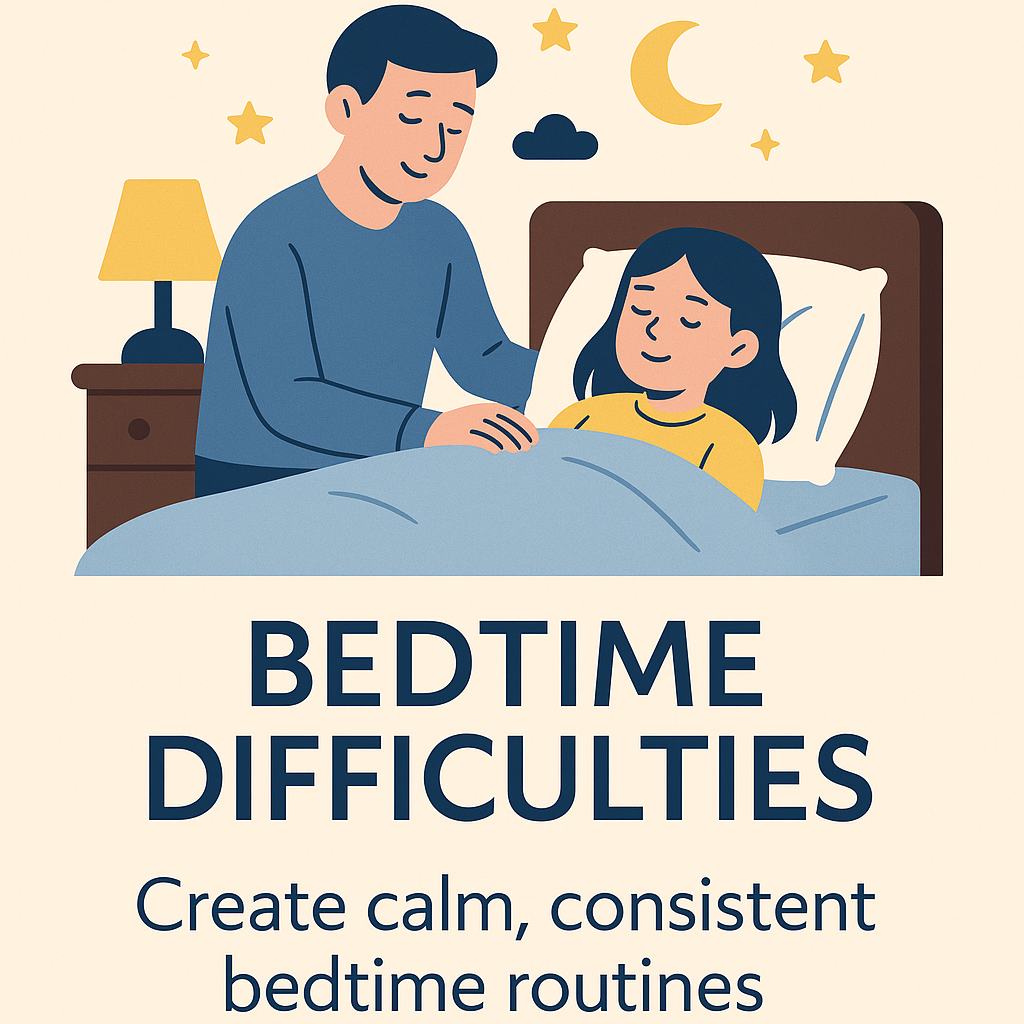
For many families, bedtime becomes the most challenging part of the day. Children resist getting into pajamas, ask for “just one more thing,” or melt down when it’s time to turn off the lights. Parents often end the night feeling frustrated, exhausted, or unsure how to make bedtime smoother. While bedtime struggles are incredibly common, they don’t have to define your evenings. With a thoughtful approach and consistent routines, families can transform bedtime from chaos into calm.
Why Bedtime Challenges Happen
Children are not resisting bedtime because they want to make things harder. Most bedtime difficulties stem from emotional or physiological factors that children cannot yet manage on their own. Common reasons include:
1. Difficulty transitioning from activity to rest
Young children move through their day with lots of energy. Shifting abruptly from play to sleep can be overwhelming for their nervous systems.
2. Fear of separation
For some children, bedtime means being alone in a quiet, dark room. This can activate anxiety or uncertainty.
3. Overtiredness
Ironically, when children are too tired, falling asleep becomes even harder. An inconsistent schedule often contributes to this cycle.
4. Need for connection
Children often seek extra attention at bedtime because it’s one of the few quiet moments of the day when they have their parent’s full presence.
Understanding these underlying needs is the first step toward creating a more peaceful bedtime experience.
The Power of a Predictable Routine
Children thrive with predictability. When they know what is coming next, their bodies and minds begin to prepare for rest naturally. A consistent bedtime routine signals safety, calm, and closure for the day.
A well-structured routine typically lasts 20–40 minutes and flows in the same order each night. For example:
-
Bath or warm wash-up
-
Pajamas
-
Brush teeth
-
Storytime
-
Lights out and comfort item
-
A soothing phrase from the parent
Repetition reduces anxiety and helps children settle more quickly.
Strategies to Create a Calming Bedtime Environment
1. Start winding down early
About 30–45 minutes before bedtime, begin reducing stimulation. Turn off loud music, dim lights, and encourage quiet play like drawing or puzzles.
This shift signals the body to release melatonin—the hormone that helps with sleep.
2. Use visual schedules or bedtime charts
Visual aids help children understand what needs to happen next, especially for those who struggle with transitions. A simple chart with pictures of each step gives children a sense of independence and ownership.
You can say:
“Let’s look at your bedtime steps and see what’s next!”
3. Build in connection time
Children often delay bedtime because they crave closeness. Rather than battling this need, plan a few minutes of intentional connection:
-
A snuggle
-
A short conversation
-
Sharing “the best part of your day”
This emotional refill helps children relax and reduces clinginess once the lights go out.
4. Offer comfort without creating new sleep habits
If your child becomes upset at bedtime, try to be present without accidentally creating patterns that are hard to maintain, such as needing a parent to stay until they fall asleep.
You might try:
-
Sitting in a chair nearby
-
Offering a soothing phrase
-
Using a calm, warm tone
Gradually move the chair farther away over several nights if needed.
5. Reduce screen time before bed
Screens stimulate the brain and suppress melatonin, making it harder for children to fall asleep. Aim to turn off screens 60 minutes before bedtime.
If your child needs a wind-down activity, choose reading or quiet play instead.
6. Give choices where possible
Choices help children feel empowered and reduce resistance.
Small examples:
-
“Would you like the red pajamas or the blue ones?”
-
“Should we read one book or two?”
-
“Do you want to climb into bed or hop into bed?”
Choices work best when both options are parent-approved.
Handling Bedtime Resistance Peacefully
Even with routines in place, children may still resist bedtime from time to time. When this happens, try these steps:
1. Acknowledge the feeling
“I hear that you don’t want bedtime to happen. It can be hard to stop playing.”
Validation reduces emotional friction.
2. Stay calm and consistent
Raising your voice or threatening consequences often makes the situation worse. Calm, predictable responses teach children what to expect.
3. Keep limits gentle but firm
You can say:
“It’s okay to feel upset. Bedtime stays the same. I’m here to help you.”
This balance of empathy and boundaries builds trust and emotional security.
Helping Children Feel Safe and Supported at Night
Bedtime is not just about sleep—it’s about emotional safety. Children need to know:
-
They’re not alone
-
Their feelings matter
-
Their parents can help them navigate fear or resistance
Over time, a peaceful bedtime routine becomes a ritual of connection, comfort, and stability.
Conclusion: Building Calm Evenings One Night at a Time
Bedtime difficulties are normal, but they don’t have to continue. By understanding your child’s needs, creating predictable routines, and responding with empathy, you can transform stressful evenings into peaceful, meaningful moments.
With consistency, patience, and gentle guidance, bedtime becomes more than just the end of the day—it becomes a chance to connect, comfort, and strengthen your relationship with your child.
